"What do you do, my dear, to stay so beautiful? I drink 'Coca des Incas' every day": this was the slogan for the trendy drink in 1900s Paris, made from red wine and coca leaves! Long before us, our ancestors were already savoring Peruvian flavors. Today, thePisco Sourhas replaced Coca in the hearts of Parisians, and the reputation of Peruvian cuisine is well-established. But the country still holds wonderful surprises for the most discerning food lovers among us: a region of incredible richness,a cuisine that reflects the country itself—generous, authentic, and above all, shaped by a multitude of cultural influences (Andean, Chinese, Creole, Afro-Peruvian, Inca…).
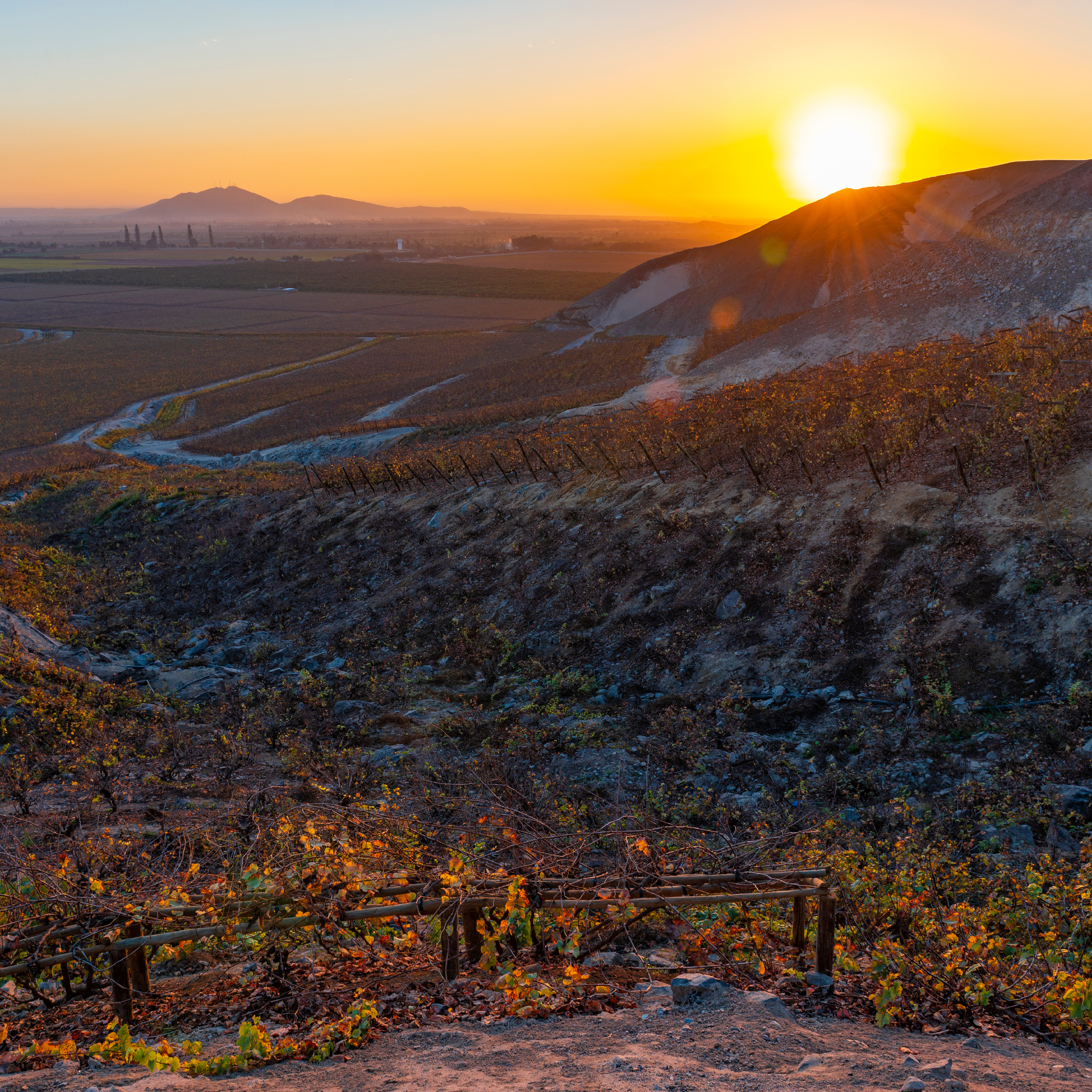
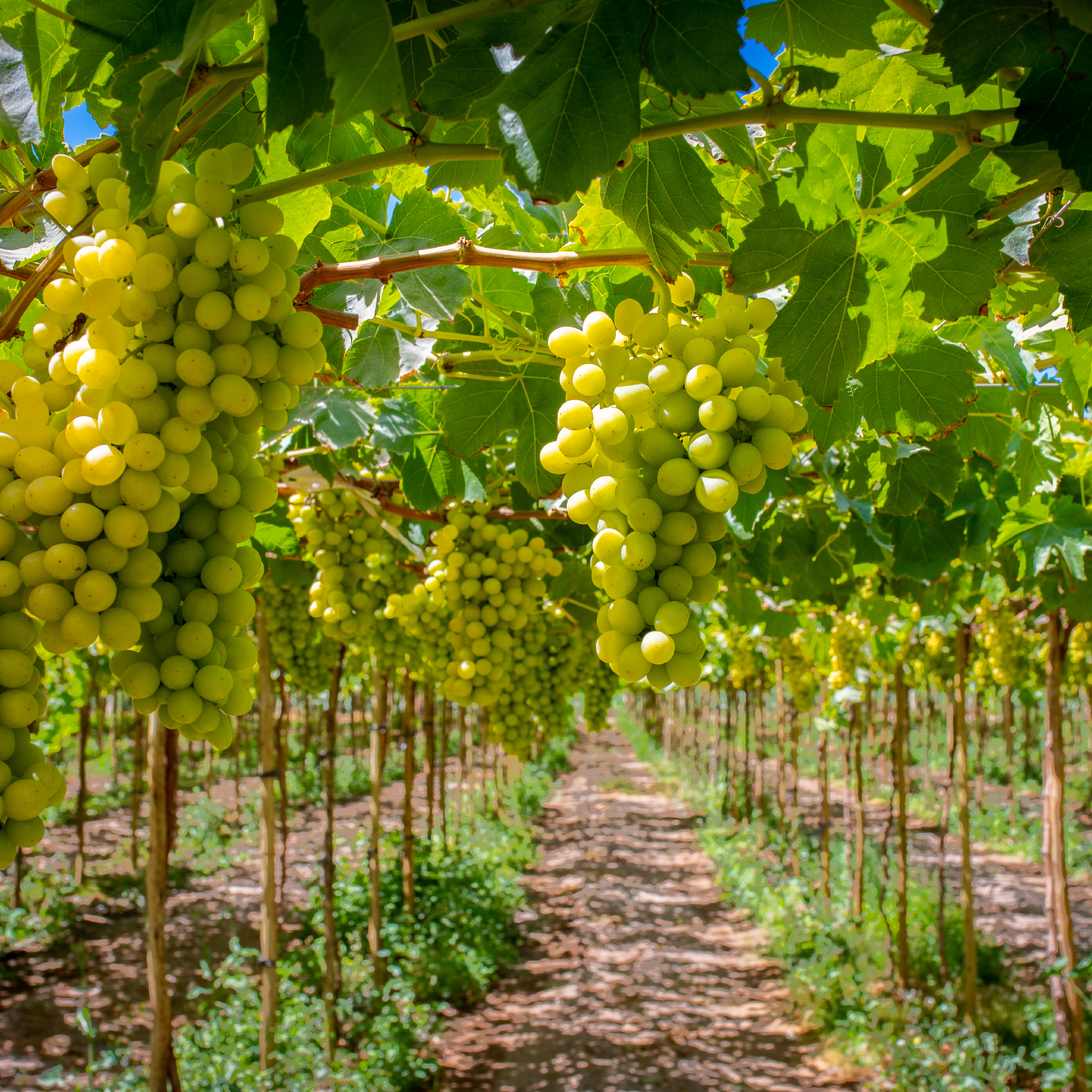
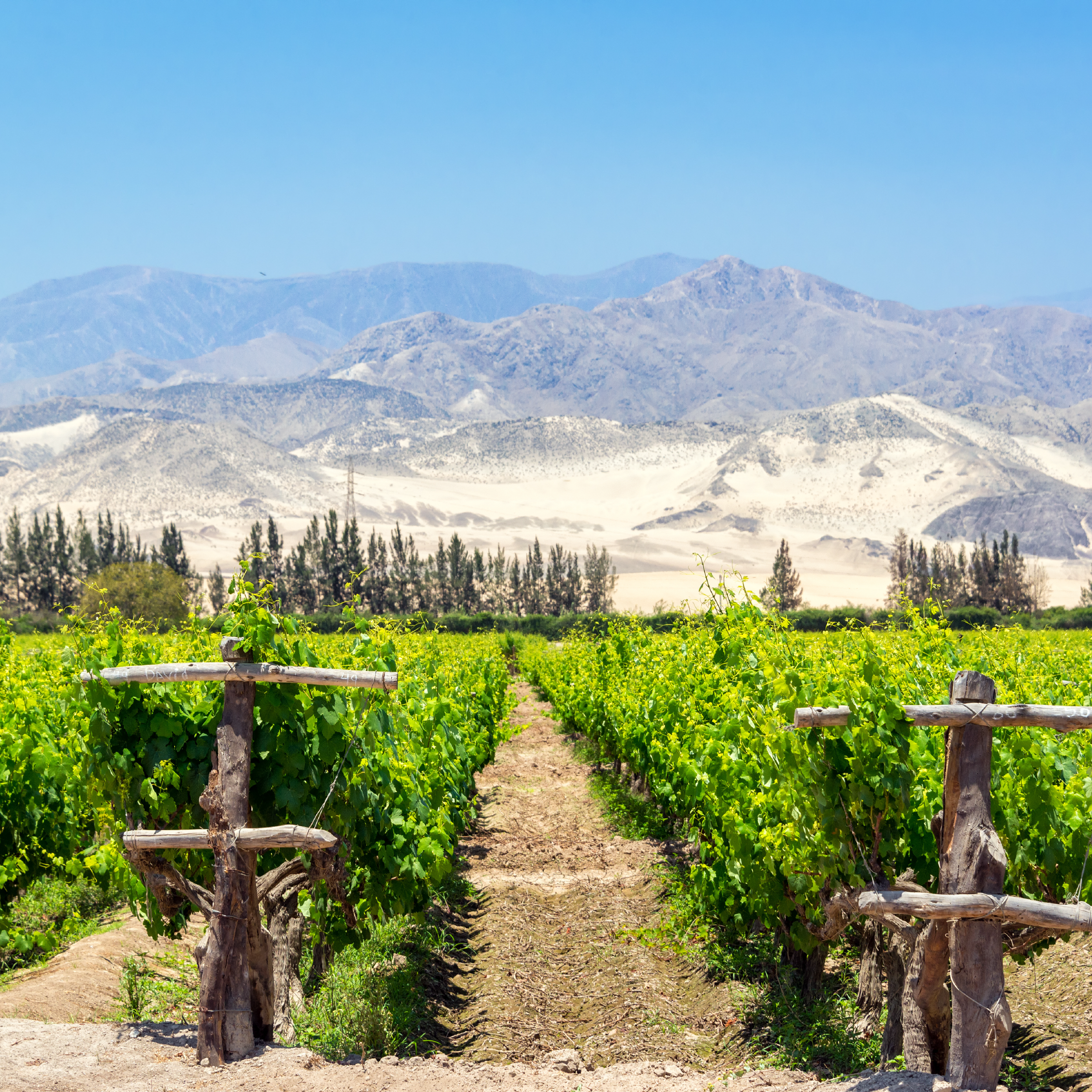
And the wine! What a surprise to discover real wineries in the Ica region, vineyards stretching as far as the eye can see, and excellent Malbec, Cabernet Sauvignon, and Chardonnay. All of this right in the middle of the desert!
You shouldn't need to add a Coca leaf to enjoy it, but if you're looking for a new experience, why not give it a try?
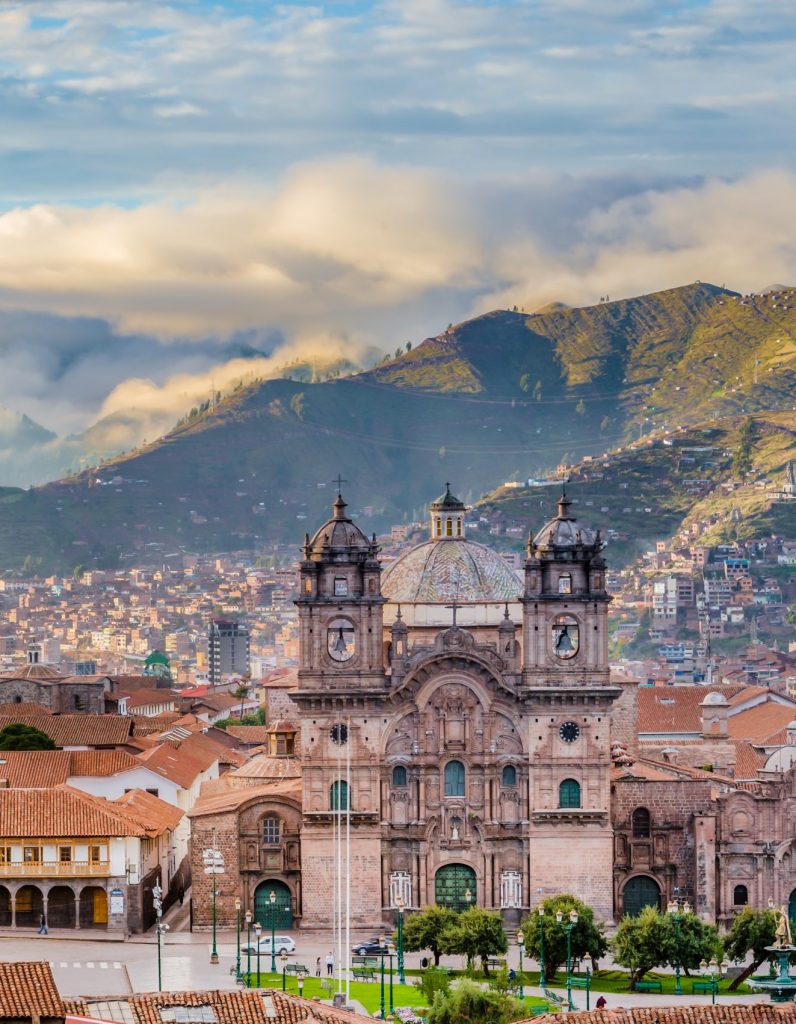
Discover Peru through its local cuisine and wine regions. On the agenda: meetings with local producers, learning about how their products are made, and tasting natural wines and Pisco, Peru’s national drink!
As you travel from one destination to the next and enjoy local tastings, you’ll meet colorful characters who will share their expertise and passion with you: prepare a meal with the Quechua communities of Lake Titicaca, explore Enrique’s coffee plantations, or visit Don Mato’s passion fruit business in the Lucmabamba Valley, just a stone’s throw from the legendary Machu Picchu.
This 16-day journey will introduce you to the culinary and wine specialties of several regions across the country: from Lima’s fine dining to the high-altitude vineyards of Cusco, via the Ica Desert and the specialties of Lake Titicaca, the landscapes you’ll admire will be as varied as the dishes and wines you’ll savor. Another way to be enchanted by the magic of Peru.
The most important wine-growing regions are the southern and central coasts of Peru (in the west). The most commonly grown grape varieties are Sauvignon Blanc, Cabernet Sauvignon, Grenache, and Barbera.
Located 300 km south of Lima, the city of Ica is the birthplace of Peruvian viticulture. It was here that the first grapevines were brought in 1540 by the Spanish, making Peru the first country in Latin America to have grapevines. The region’s typical grape varieties include Pedro Ximénez, Uvina, Criolla Negra, and Quebranta.
Located 70 km northeast of Ica, the town of Pisco is the birthplace of Peru’s national cocktail: the Pisco Sour. Pisco is a grape brandy (between 30 and 45 proof) produced by distilling grapes, much like Cognac, but without extended aging.