The history of wine and viticulture in Portugaldates back a very long time,to the 7th century B.C., when the Greeks planted the first vines on the Iberian Peninsula. The Romans, for their part, organized the vineyards there.
During the 400-year period of Moorish rule (700–1100), viticulture fell into disuse. During the reconquest of the territory and the Middle Ages, successive kings took great care to preserve it by establishing protected areas. This period of expansion was also supported by the powerful and numerous religious orders, which traditionally cultivated grapes and produced their own wines within their monasteries.
The first informal exports took place around 1380 to England, originating in the Minho region—the birthplace of Vinho Verde—and later from theDouro region.
In 1756,the Marquis of Pombal established theworld’sfirstdesignatedwine region: the Douro region, where the vines that would give rise to Port wine are grown. But Portuguese vineyards were once again to face a dark chapter in their history: beginning in 1862, the country was struck by phylloxera, which decimated a large portion of the vineyards until 1895.
By the early 20th century, phylloxera had been brought under control, and new designated wine-growing regions emerged, such as Dão, Colares, Carcavelos, and Moscatel de Sébutal.
Portugal is a country that relies on indigenous grape varieties, including some of the most famous names in Portuguese viticulture: Touriga Francesa, Arinto, Sercial, Castelão, Periquita, and Trincadeira
The variety is vast, and the grapes are equally divided between white and red, which sets Portugal apart as a leader in innovative and high-quality production.
By the early 20th century, phylloxera had been brought under control, and new designated wine-growing regions emerged, such as Dão, Colares, Carcavelos, and Moscatel de Sébutal.
Portugal is a country that relies on indigenous grape varieties, including some of the most famous names in Portuguese viticulture: Touriga Francesa, Arinto, Sercial, Castelão, Periquita, and Trincadeira
The variety is vast, and the grapes are equally divided between white and red, which sets Portugal apart as a leader in innovative and high-quality production.
A self-guided tour starting in Porto, taking you through the Douro Valley to explore the region’s most beautiful estates.
Discover Portuguese wine tourism on a wine-tasting getaway from Lisbon to Porto in the Douro Valley.
Whether you’re a casual wine lover or a connoisseur, discover the secrets behind Portugal’s finest white and red wines: blending, biodynamic winemaking, and certified organic wines—not to mention the region’s iconic Port wine, which bears its name.

A flexible itinerary focused on wine tourism, designed to help you discover Portugal’s major wine regions. Each day features visits and tastings, along with our recommendations for the best restaurants at each stop.
Because wine is a symbol of the “good life,” we have selected high-quality accommodations that all share a close connection to wine and stand out for their charm, service, or originality.
Port is the flagship of Portuguese wines. The grape varieties grown in the Douro region are unique because they are the only ones capable of adapting to the climate. As the popular saying goes, “nine months of winter and three of hell.”
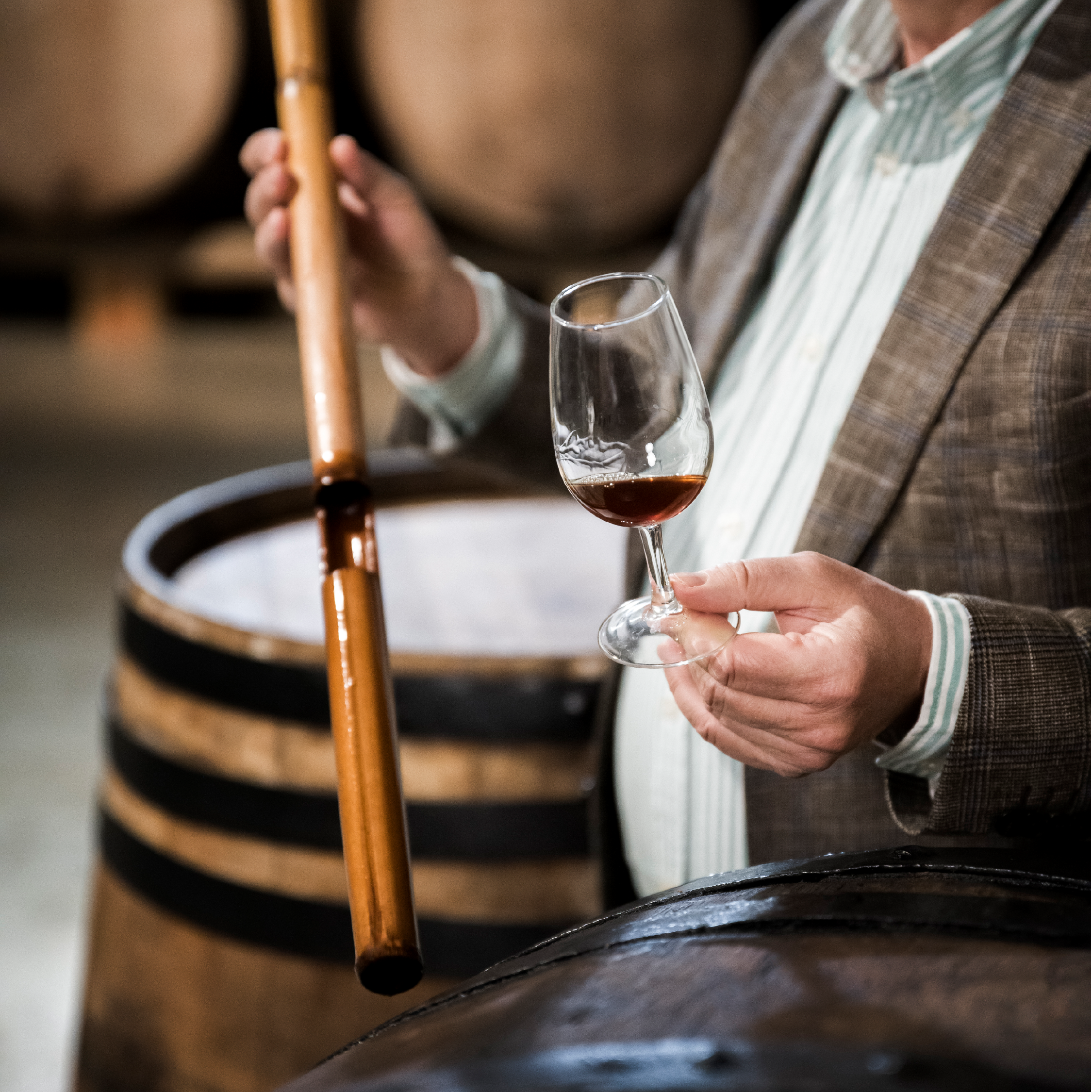
The quality of this fortified wine is regulated by the IVDP (Douro and Port Wine Institute), established in 1933 as the successor to the “Compagnie Générale d’Agriculture des Vins du Haut-Douro,” founded in 1756 by the Marquis of Pombal.
The cellars where Port wine is aged are located in Vila Nova de Gaia (across from the city of Porto), which has been the sole storage facility for Port wines since 1926. Today, a few cellars have also set up shop in the Douro region.